

































THE METALS COMMUNITY
Knowledge, made usefulMetal weight calculator ↗
MetalSite
Products & specificationsAvailable listingsBuy requestsSuppliersTradersLearnToolsMy workspace
THE MATERIAL LIBRARY

Know exactly what you’re buying.

From carbon steel to high-purity specialty metals: choose the material, then specify the chemistry, form, condition and evidence that your application needs.

CHOOSE YOUR MATERIAL

Start with the metal. Then choose its form.

Browse six material groups below. Open a material to explore product forms and prepare a specification.

See available listings ↗

Ferrous metals

Iron, steel and stainless steel. Specify the alloy and product standard separately.

Non-ferrous metals & alloys

Common non-ferrous metals and copper alloys, in primary and processed forms.

Specialty materials

Named elements and specialist feedstocks. Define the physical or chemical form, assay and handling requirements.

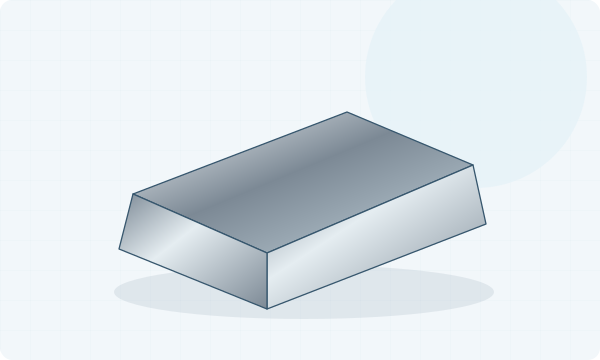
Titanium — form illustration
MATERIAL GUIDE

Titanium

Commercially pure grades & titanium alloys

Build your own material request ↗
Cobalt — form illustration
MATERIAL GUIDE

Cobalt

Refined metal & specialist alloy feedstock

1 product types to specify ↗
Lithium — form illustration
MATERIAL GUIDE

Lithium

Metal, carbonate & hydroxide; specify chemistry

2 product types to specify ↗
Manganese — form illustration
MATERIAL GUIDE

Manganese

Electrolytic metal & alloying feedstock

Build your own material request ↗
Chromium — form illustration
MATERIAL GUIDE

Chromium

Metal & chromium alloying additions

Build your own material request ↗
Molybdenum — form illustration
MATERIAL GUIDE

Molybdenum

Metal, powder & alloying additions

Build your own material request ↗
Tungsten — form illustration
MATERIAL GUIDE

Tungsten

Metal, powder & carbide feedstock

Build your own material request ↗
Niobium — form illustration
MATERIAL GUIDE

Niobium

Metal & ferroniobium

Build your own material request ↗
Tantalum — form illustration
MATERIAL GUIDE

Tantalum

Metal, powder & specialist mill products

Build your own material request ↗
Vanadium — form illustration
MATERIAL GUIDE

Vanadium

Metal & alloying feedstock

Build your own material request ↗
Zirconium — form illustration
MATERIAL GUIDE

Zirconium

Metal & specialist corrosion-resistant alloys

Build your own material request ↗
Rare earths — form illustration
MATERIAL GUIDE

Rare earths

Specify element, oxide, metal or magnet alloy

1 product types to specify ↗
Antimony — form illustration
MATERIAL GUIDE

Antimony

Metal & industrial compounds

Build your own material request ↗
Bismuth — form illustration
MATERIAL GUIDE

Bismuth

Refined metal & low-melting alloys

Build your own material request ↗
Gallium — form illustration
MATERIAL GUIDE

Gallium

High-purity metal; specify purity & controls

Build your own material request ↗
Germanium — form illustration
MATERIAL GUIDE

Germanium

High-purity metal & industrial feedstock

Build your own material request ↗
Indium — form illustration
MATERIAL GUIDE

Indium

Refined metal & specialty feedstock

Build your own material request ↗

Precious metals

Identify the exact metal, physical form, assay evidence and appropriate security arrangements.

Ferroalloy feedstocks

Iron-based alloying additions, classified by composition and receiving-process requirements.

Mixed scrap & recycled feedstock

Use this material category for mixed or unspecified scrap. Identified copper, aluminium and other scrap retains its named metal and scrap condition.

Build a clear material specification

Illustrations explain common forms. Grade, composition and the supplied condition determine what you actually buy.

  1. Metal, alloy or chemical composition, plus the applicable standard and revision.
  2. Product form, dimensions, tolerances, finish and heat treatment or temper.
  3. Quantity, unit, minimum order, net weight and permitted weight variation.
  4. Origin, manufacturer, heat or lot numbers and evidence of title.
  5. Inspection certificate, assay method, independent sampling and rejection limits.
  6. Packaging, moisture protection and dangerous goods or waste classification where applicable.
  7. Incoterms® 2020 rule, exact named place, dispatch date and insurance responsibilities.
  8. Price basis, currency, benchmark date, premium, taxes, payment instrument and validity.

Grade examples are not interchangeable

Steel DC01, stainless 304, aluminium 6061-T6, copper C11000 and titanium Grade 5 describe different material systems. Equivalence across ASTM, EN, JIS and other standards needs technical confirmation. A composition match alone does not establish equivalent mechanical performance.

Understand the price basis

Precious metal references are commonly per troy ounce; industrial metal benchmarks may use tonnes, kilograms or pounds. A reference price does not include alloy premiums, fabrication, location premiums, recovery yield, freight or tax. Do not price concentrates or scrap as if they were refined metal.

Research basis: USGS Mineral Commodity Summaries 2026. This directory groups procurement categories; it is not an exhaustive chemical element list or a promise that every material is legally tradeable in every market.